
Evening Herbal Teas
Chamomile, valerian, passionflower — certain herbal teas genuinely support better sleep. Here's which herbs work, why they work, and how to make the most of your evening cup.
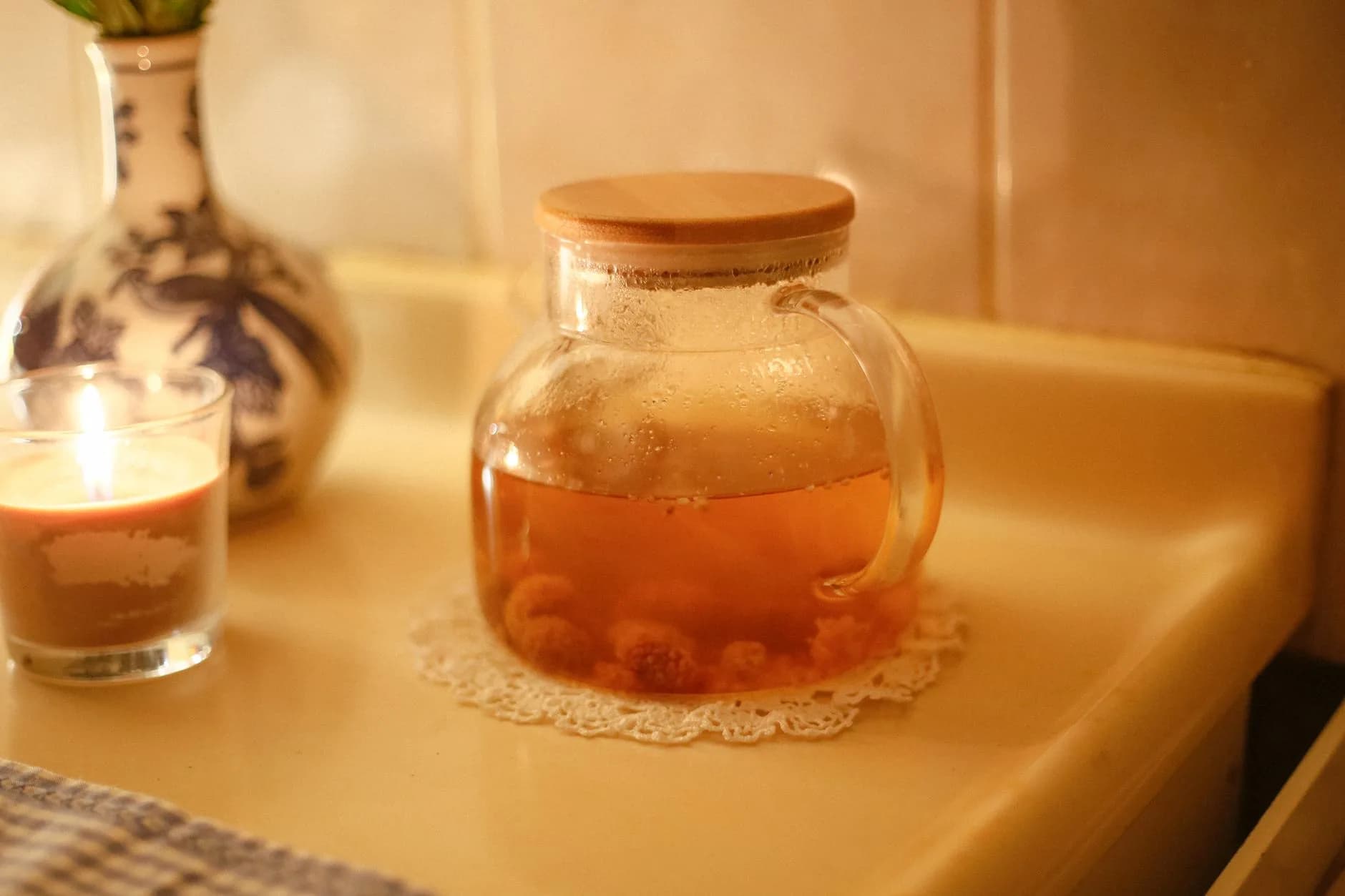
Why Herbal Tea Before Bed Actually Works
Not all wind-down rituals are created equal, but brewing a cup of herbal tea in the evening is one of the few that has both science and centuries of tradition behind it. Unlike black or green tea, herbal teas are naturally caffeine-free, which means they won't work against your body's sleep-onset process. More importantly, certain herbs contain compounds that actively support relaxation — lowering cortisol, easing muscle tension, and quieting the mental chatter that keeps you staring at the ceiling.
The Herbs Worth Knowing
A few standouts have earned genuine credibility in sleep research:
- Chamomile — The classic choice for good reason. Chamomile contains apigenin, an antioxidant that binds to receptors in the brain responsible for promoting sleepiness and reducing anxiety. A cup about 45 minutes before bed gives it time to work.
- Valerian root — More potent than chamomile, valerian has been studied for its ability to reduce the time it takes to fall asleep and improve overall sleep quality. The taste is earthy and strong, so blended teas that pair it with peppermint or lemon balm are a smarter choice for most people.
- Passionflower — Particularly useful if anxiety is what disrupts your sleep. Passionflower appears to raise levels of GABA in the brain, which reduces nervous system activity and helps the body shift into a calmer state.
- Lemon balm — Gentle and pleasant-tasting, lemon balm works well on its own or combined with valerian. It's a good starting point if you're new to sleep-supporting herbs.
- Lavender — More commonly associated with aromatherapy, but lavender tea is a real thing and a mild option for people who just need a small nudge toward relaxation rather than a heavy sleep aid.
How to Get the Most Out of Your Evening Cup
Consistency matters more than any single ingredient. Drinking herbal tea at the same time each evening becomes a behavioral cue — your body starts associating that ritual with sleep, which reinforces the effect over time. Use filtered water, steep for at least five minutes to extract the active compounds fully, and skip the sugar if you can (or use a small amount of honey if you need sweetness). Dim the lights while you drink it, put the phone down, and let the ritual do half the work. The tea handles the rest.